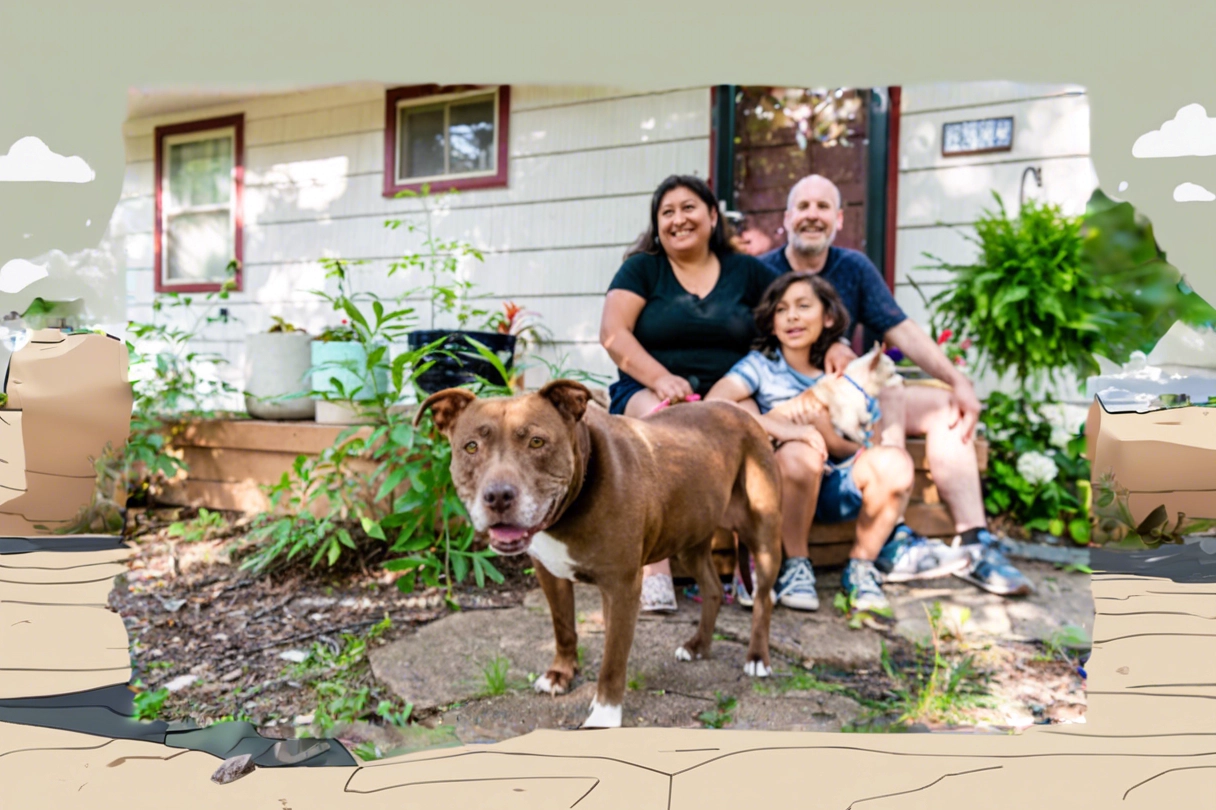
Have you ever called yourself a “dog parent” or thrown a birthday party for your pup? You’re far from alone—and science is catching up to what millions of people already feel: that dogs are family.
A groundbreaking 2025 paper by researchers Gillet and Kubinyi, published in European Psychologist, brings serious academic weight to this idea. Drawing from fields as diverse as evolutionary biology, psychology, and canine behavior science, they explored a simple but profound question: Why do so many people today treat their dogs like children?
From Hunters to “Fur Babies”
Historically, people often kept dogs for practical reasons: guarding homes, herding livestock, and aiding in hunts. But as modern life shifted away from survival-based partnerships, something else took root: companionship; and eventually a full-blown parenting dynamic.
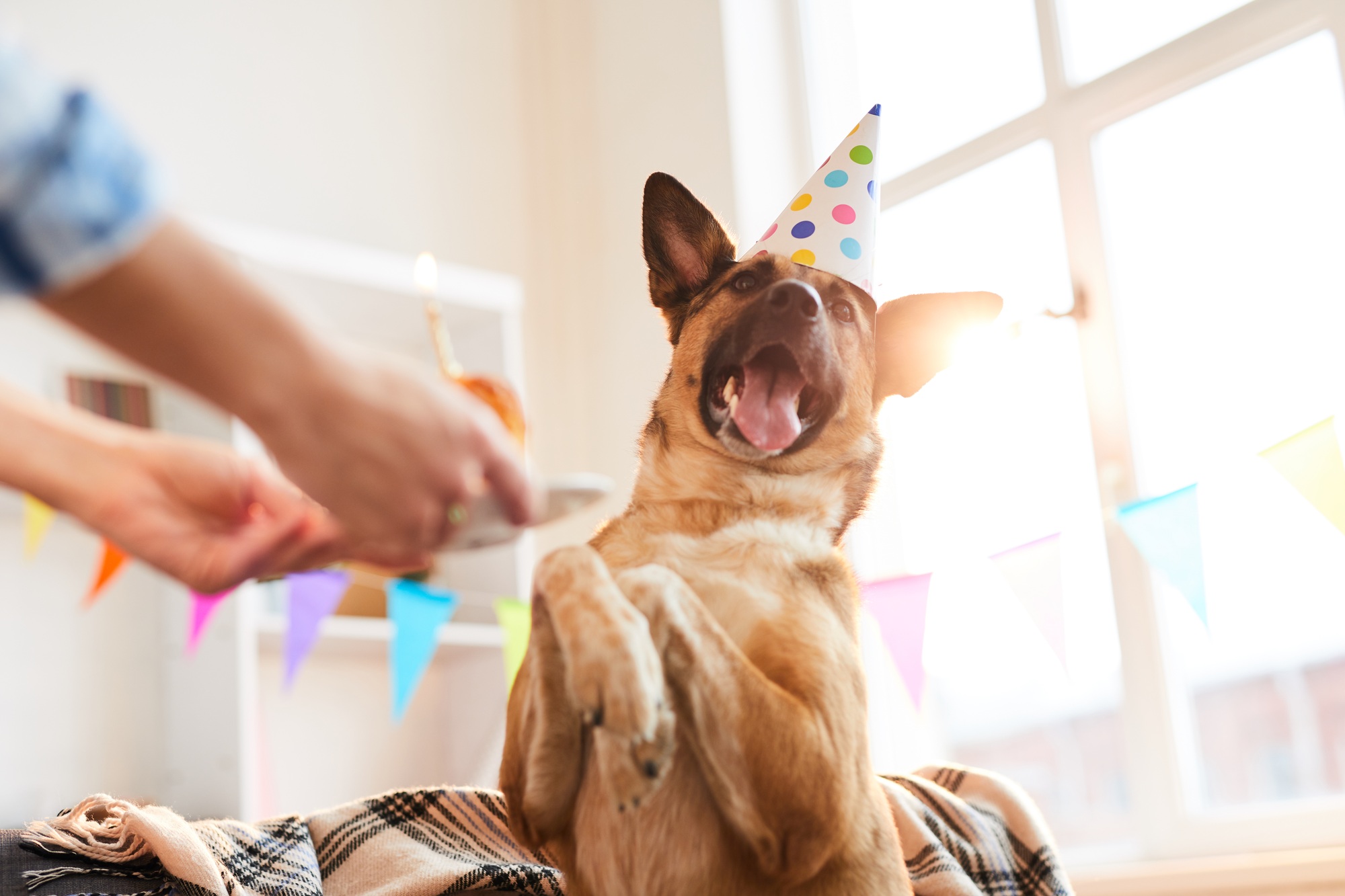
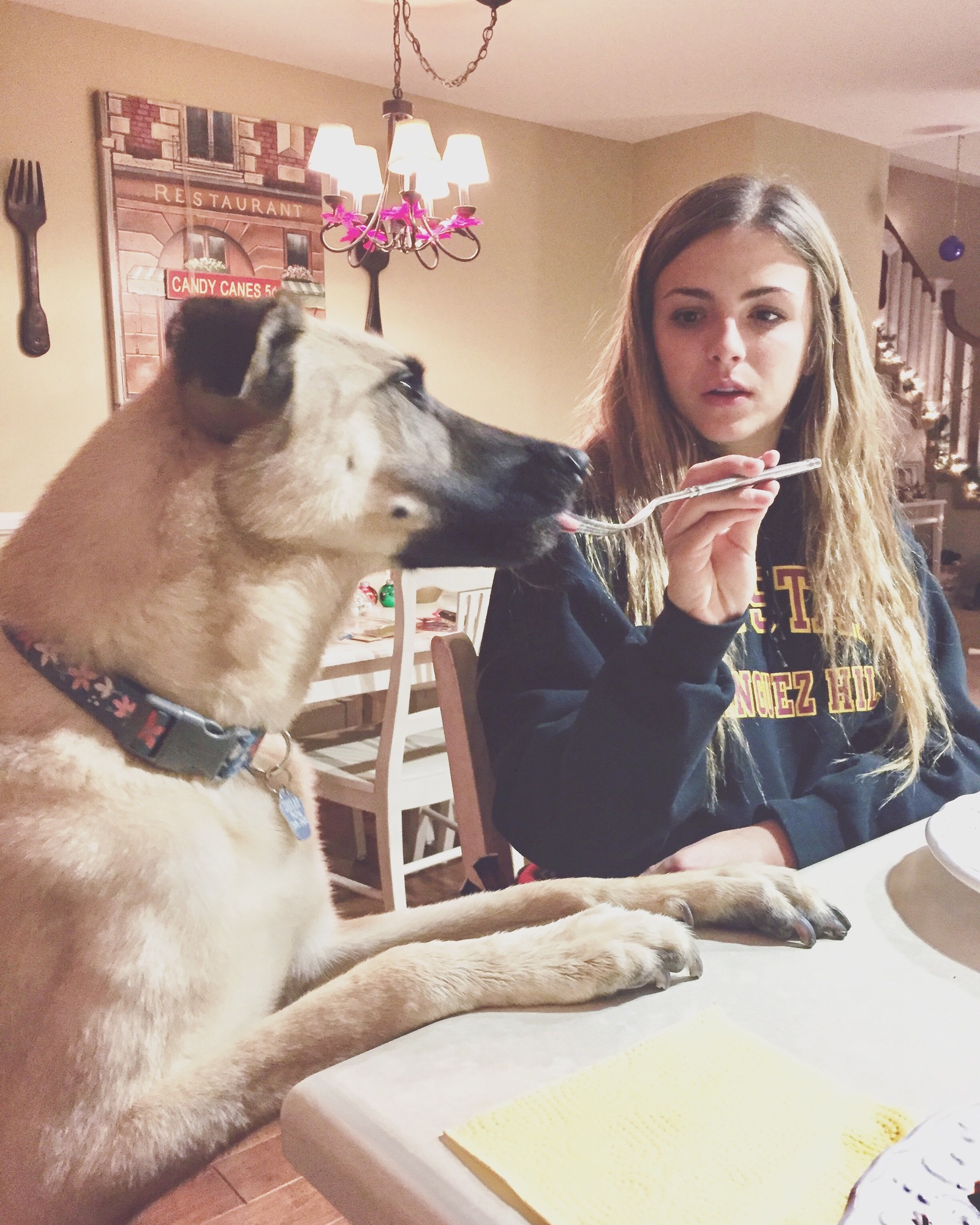
Today many people feed their dogs homemade meals, take them on “family vacations,” and buy them birthday presents. They refer to themselves as “pet parents” and post “gotcha day” photos. This isn’t just a cultural quirk: it’s a measurable shift in how humans relate to animals. According to the authors, it’s likely driven more by cultural evolution than biology.
Why This Bond Feels So Real
It turns out that dogs don’t just act like kids in our eyes. They truly mirror many of the traits that young children express:
- Both form strong emotional attachments, looking to their caregivers as safe havens in uncertain situations and as secure bases to give them the confidence to explore the world.
- Both often show distress when separated.
- Both rely on us for food, safety, and affection.
- Both interpret our tone of voice, facial expressions, and gestures.
- The behavior and personalities of both are influenced by how we raise them, by whether our parenting styles are permissive, authoritarian, or balanced. And a balance between affection and limits encourages more sociability and better problem-solving.
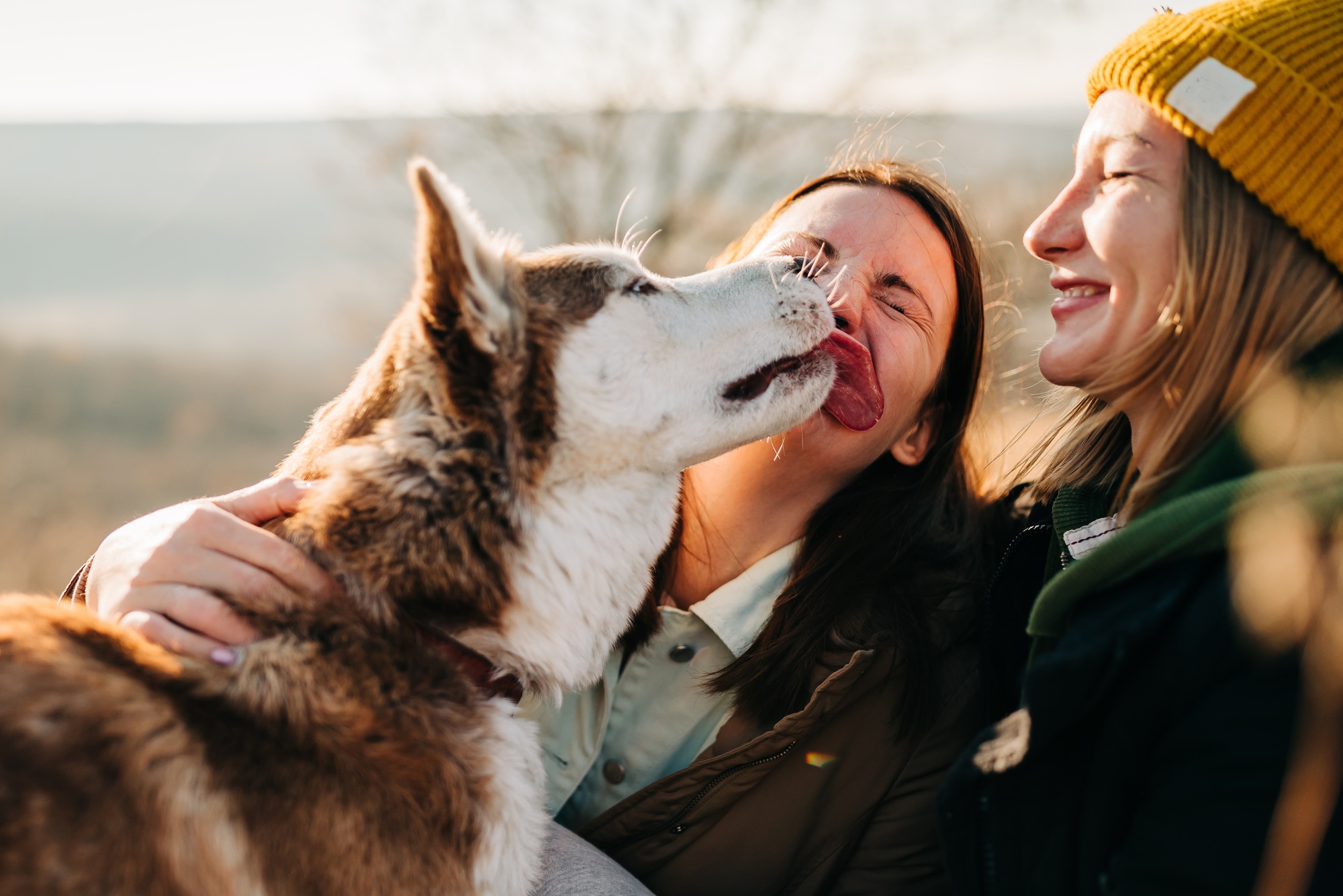
And their brains? Research shows that dogs process various emotional experiences much like humans do, including a boost in oxytocin, the bonding hormone, when interacting with their favorite people.
Dogs Are Perpetual Children
One key difference? Unlike children, dogs don’t become human-style adults. Even their lifespans mirror the timeline of childhood. They stay dependent on us for life. And for many people, that’s part of the appeal. In a world where family structures are changing, with fewer children, more independence, and higher mobility, dogs offer an outlet for our deeply rooted caregiving impulses. They’re emotionally fulfilling but with less long-term obligation than raising a child.
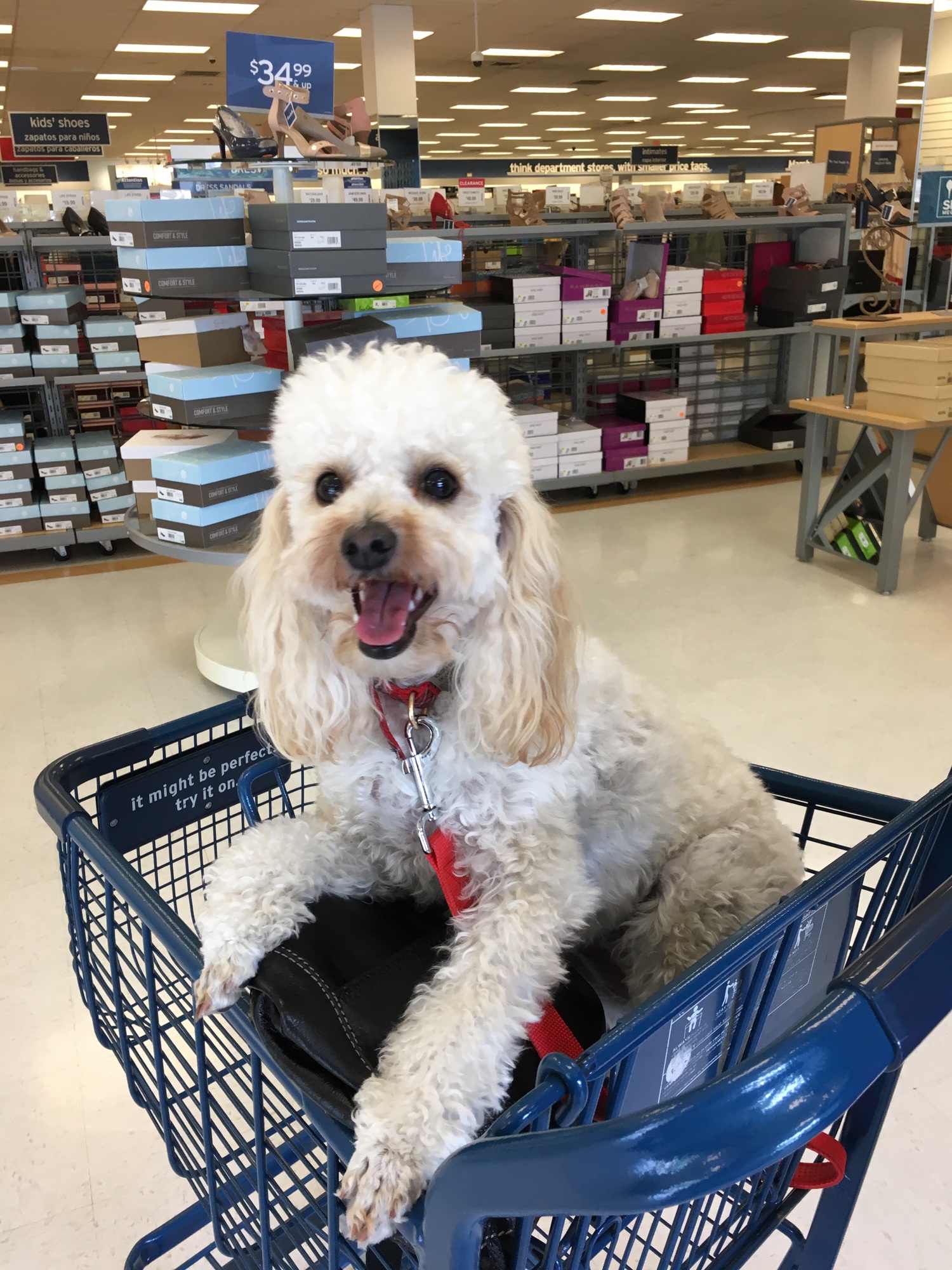
The Positives and Negatives of “Dog Parenting”
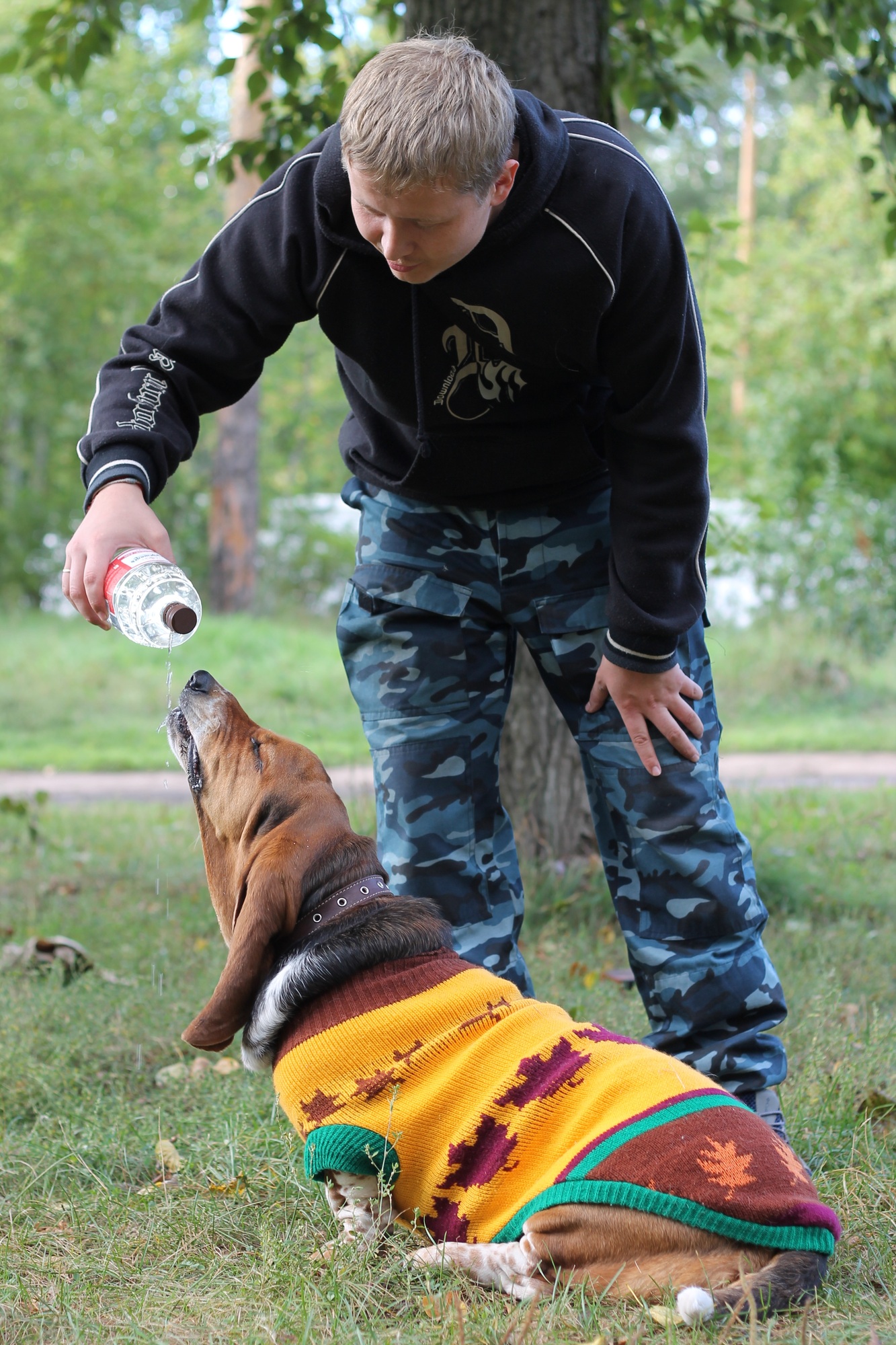
So go ahead and crochet a matching sweater for your pug, but take note of the cautions this paper raises. While treating dogs with love is clearly positive, there can be situations where seeing dogs through a human lens can backfire, especially if we forget that it’s human toddlers they resemble, not human adults.
For instance:
- Dogs might show body language that we would interpret as “guilty” in a human adult when they’re actually frightened.
- Unlike small children, dogs need and can be taught how to be alone.
Just like children, dogs need structure, agency, and clear communication on their own terms.
Cultural Context Matters
The way we talk about dogs differs across cultures. In the U.S., calling yourself a “dog mom” may feel normal in your living room but awkward at a work meeting. In other countries, this kind of language might be more (or less) acceptable, depending on religious beliefs or social norms. It’s another reminder that our relationship with dogs is deeply shaped by where we live and how we live.
What It All Means
So are dogs the new kids?
Not completely. But for many, they fill a similar emotional space. They’re companions, confidants, and comforters. They teach us patience, responsibility, and joy. And in a world where connection can sometimes feel in short supply, dogs offer a constant, loyal presence.
As the authors of this study suggest, maybe what matters most isn’t whether dogs are children, roommates, or best friends—but that they give us a chance to practice something profoundly human: care.
Want to be a better dog parent?
Love each of them like family, with all the individuality of a family member; and do your best to understand how their dogness may influence their perception of the world. That’s where the magic and the science meet.