The quality of a dog’s relationship to humans is a crucial determinant of social behavior

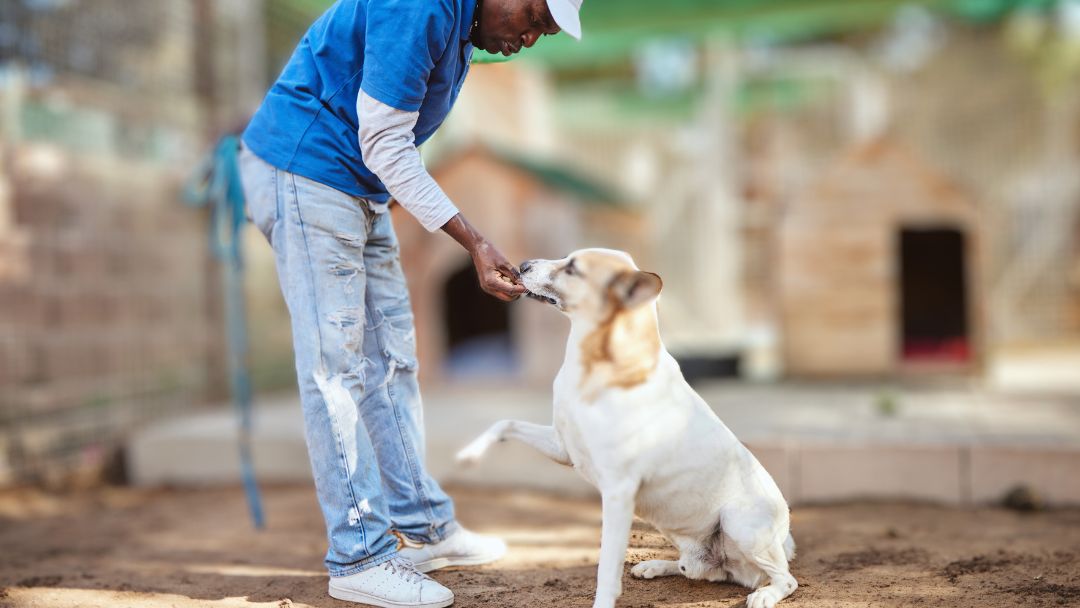
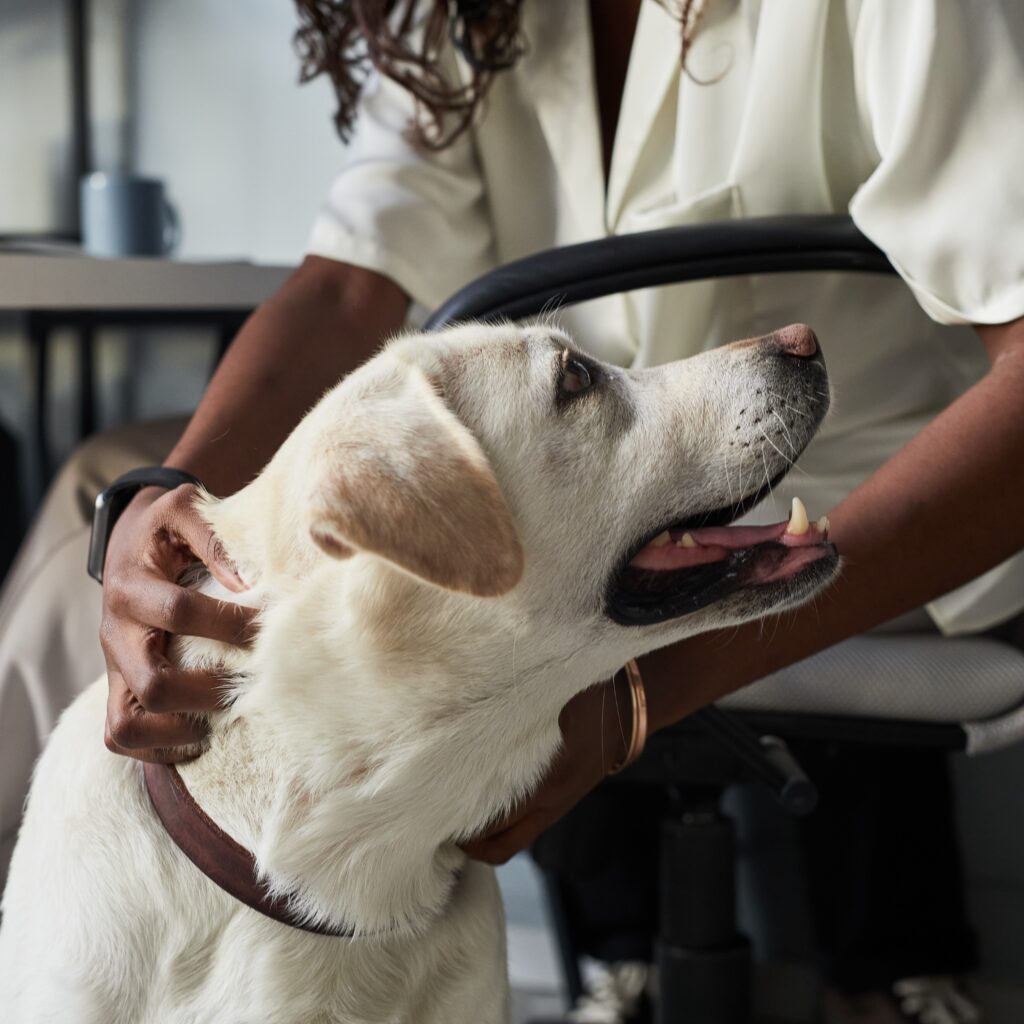
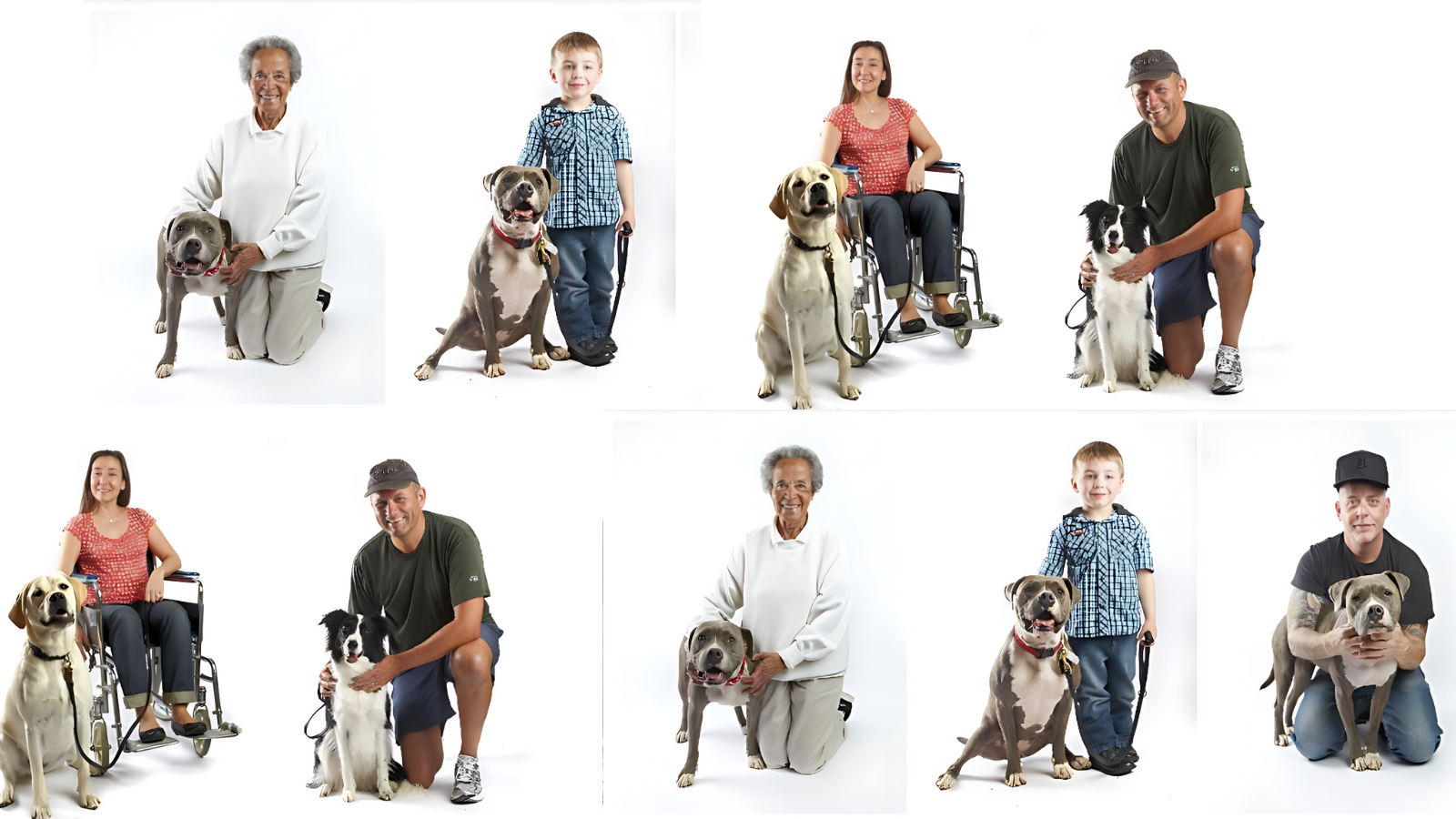
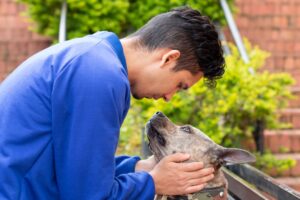
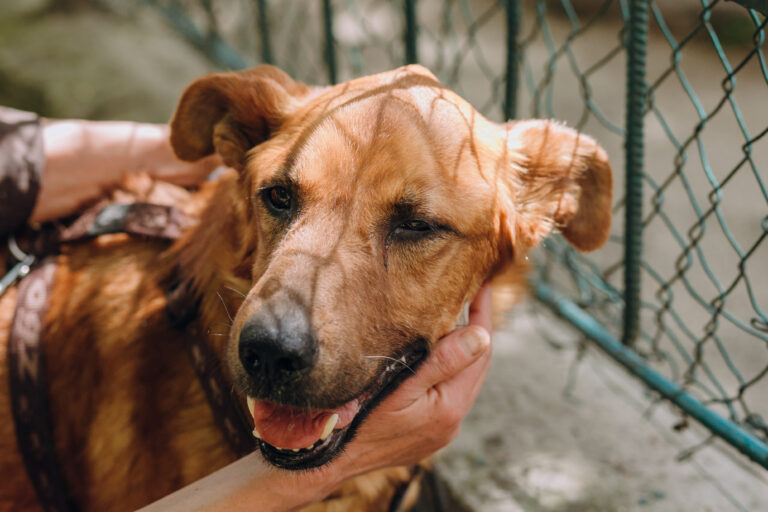
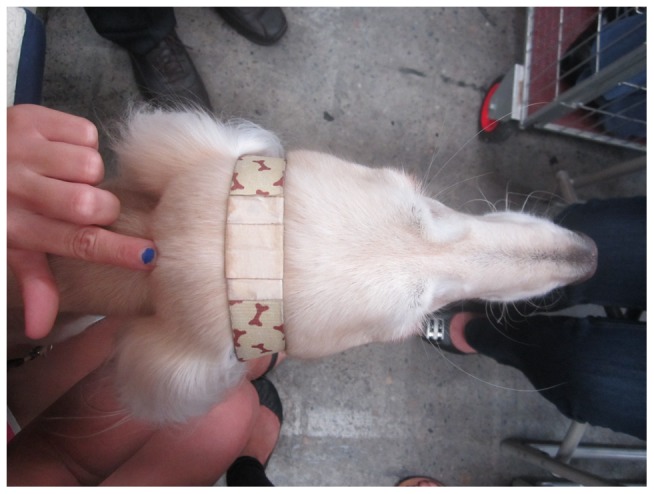
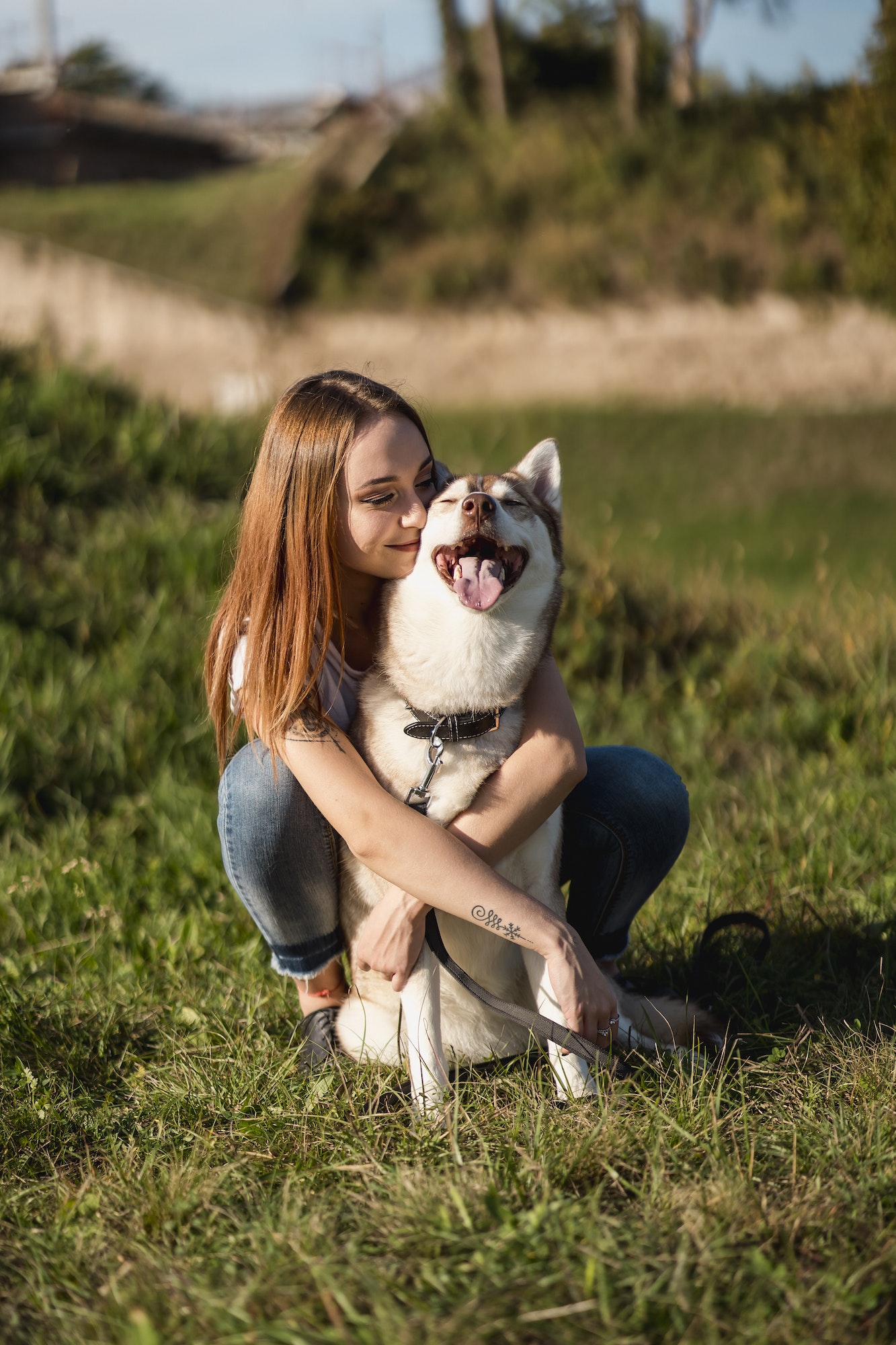
For more than a decade, Jozsef Topál has been at the forefront of research indicating that dogs have a special ability, that few other animals possess, to notice and respond to social signals from humans. Topál and his colleagues at Loránd Eötvös University in Hungary have begun to demonstrate that this canine ability to connect with humans is enhanced, if not determined, by the amount and kind of interaction a dog has had with people. The primary distinction is not whether the dog has been trained or even when he was first exposed to contact with people as a puppy. The watershed seems to be between dogs that live with people as day-to-day companions, and those who live in relative isolation from humans.

Read more about Topál’s work and it’s connection to the findings of the National Canine Research Council by clicking here.

Posted in News, Uncategorized

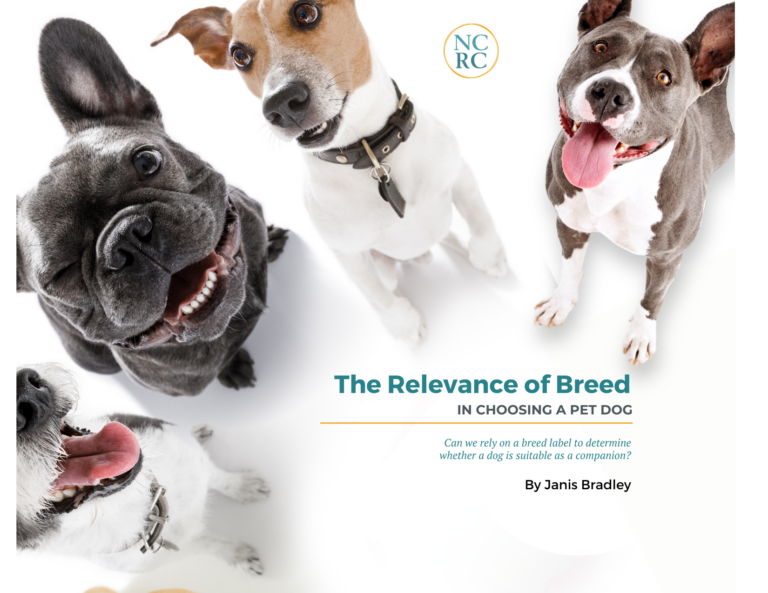
APDT Webinar: The Relevance of Breed in Selecting a Companion Dog

Title: APDT Webinar: The Relevance of Breed in Selecting a Companion Dog
Location: APDT Webinar
Link out: Click here
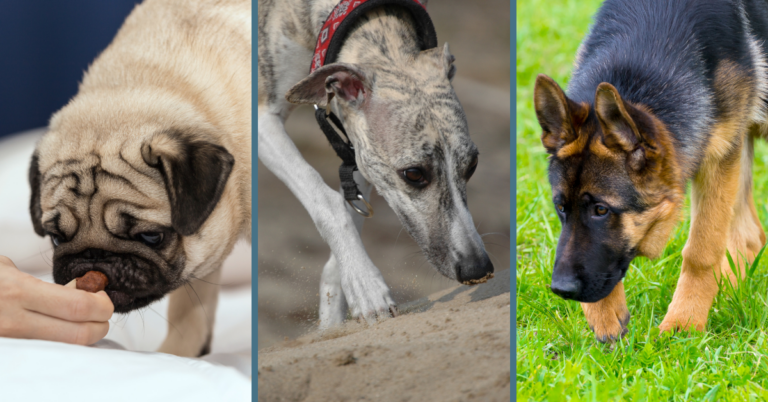
Description: People often say, “they’re not like other dogs,” of their favorite breed. No one disputes selective breeding can influence behavior. We want to be able to predict the probable future behavior of dogs in order to choose appropriate companions and to anticipate problematic behaviors such as aggression toward humans. Most dog professionals have expectations about behavior based on breed, often assuming that each has a “hard wired” set of impulses that are particularly difficult to modify, even with sound training techniques. We’ve learned the conventional professional wisdom which then guides our perceptions of our anecdotal experience, applied to both purebred and mixed breed dogs. But current research doesn’t offer much to support these biases, which rest on three assumptions: that dogs are readily identifiable as members of a particular breed; that behavior can be reliably predicted according to breed; and that the behaviors associated with specific breeds are relevant to the role of companion for human families. This webinar will examine the current research relevant to these questions, including a brief history of the selection processes that brought us the modern purebred dog, issues of identification of mixed breed dogs, and some basic principles of behavioral genetics.

Learning Objectives:

1. Participants will understand the current research regarding predictability of behavior by breed.

2. Participants will learn alternatives to breed labeling of mixed breed dogs.

3. Participants will learn several alternative models for normalizing behavior in client consult settings.

Presenter Information:

From 2000 through 2009, Janis Bradley trained more than 400 professional pet dog trainers at the San Francisco SPCA’s Academy for Dog Trainers, the program that came to be known as the “Harvard for dog trainers.” Now she continues this work as the owner of the Dog Training Internship Academy (dogtraininginternshipacademy.com). Bradley is the author of Dogs Bite, but balloons and slippers are more dangerous, the complete guide to research on dog bites, along with Dog Bites: Problems and Solutions for The Animal and Society Institute, and The Relevance of Breed in Selecting a Companion Dog for the National Canine Research Council. She lives in Oakland, California with rescued Greyhounds Henry and Annie. Janis believes that we have dogs because we like to wake up laughing and that fostering this kind of relationship between people and their pets is the best way to make the world better for dogs and their people. A former college teacher, counselor, and administrator, Janis helped adult students accomplish their long deferred dream of a college degree, work that was much like her current mission, helping people realize the dream of becoming professional pet dog trainers.
Start Time: 12:00
Date: 2012-04-18

Posted in Events

After 25 years of ineffectiveness, the State of Ohio finally eliminates statewide breed-specific law

COLUMBUS, OH — After 25 years, the State of Ohio has eliminated its statewide breed-specific law. Gov. John Kasich signed the bill Tuesday morning eliminating the law that automatically declared the “pit bull” to be an inherently vicious dog.

Ohio’s breed-specicific law was enacted in the summer of 1987, but never resulted in the improved community safety it sought. The law did result in discrimination and unjustified shelter killing.

Eleven states currently have laws in effect that specifically forbid regulation of dogs on the basis of breed.

The new law will take effect in 90 days. In addition to dropping any reference to a specific breed of dog from the law, the new law will redefine current designations of “vicious” and “dangerous” dog, create a third lesser category of “nuisance” dog, create a process for dog owners to appeal law enforcement’s labeling of their dogs, and place the burden to prove the classification by clear and convincing evidence on the dog warden.

(Prepared in part from a report in the Toledo Blade.)

Posted in News, Uncategorized

NCRC reports on an important new study from Maddie’s Fund: Dog breed identification no basis for public policy

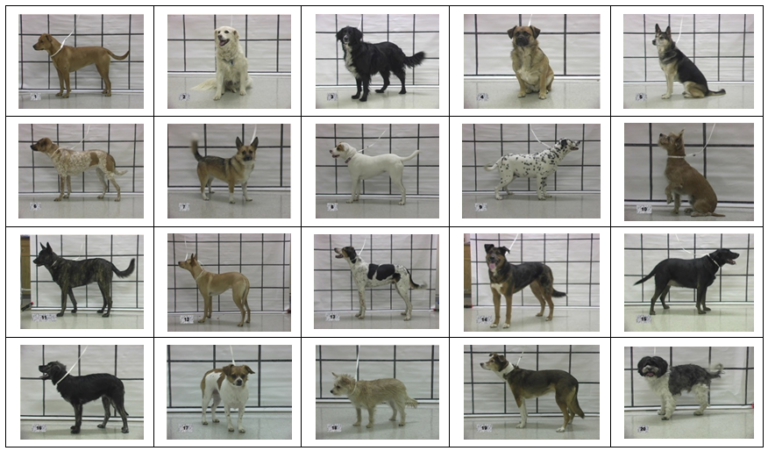
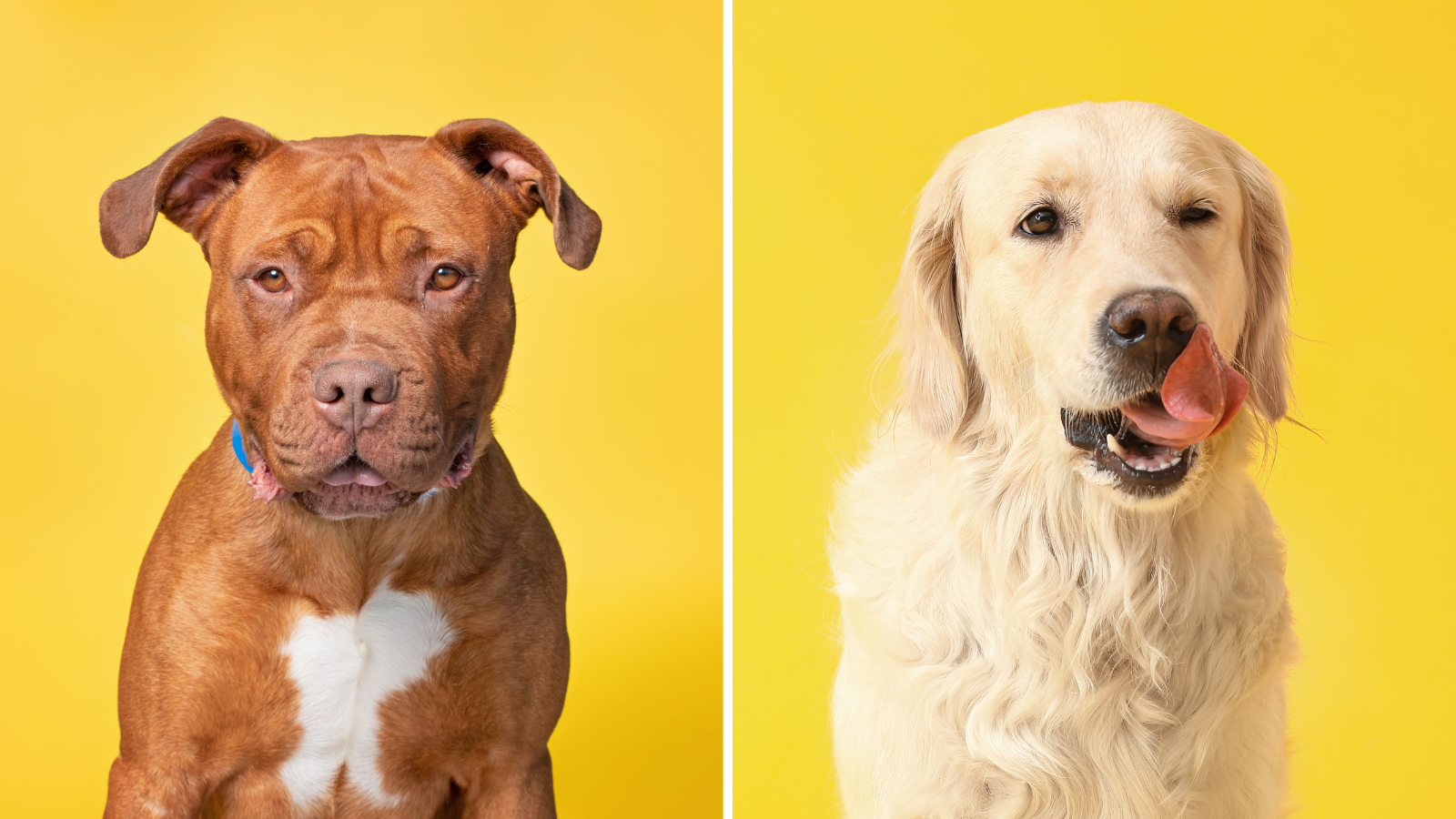
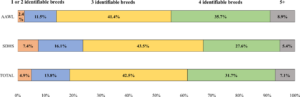
An important new study further confirms the unreliability of visual breed identification used in dog adoption, lost and found, and regulation.

Read the NCRC commentary: Dog breed identification no basis for public policy.

Read more about Breed Identification, Breed and Behavior.

Posted in News, Uncategorized

Bill lifting “vicious” label from “pit bull” dogs goes to Ohio governor

February 8, 2012 — After 25 years, the State of Ohio may be about to do away with its breed specific law.

The Ohio House of Representatives voted 67-30 Wednesday to send House Bill 14 to Gov. John Kasich’s desk. The State Senate passed the measure last week by a vote of 27-5. The Governor is expected to sign the legislation, which sailed through both houses of the legislature with veto-proof majorities.

The law, which declared that any dog “of a breed commonly known as a pit bull” was a “vicious” dog, was enacted in the summer of 1987, but never resulted in the improved community safety outcomes it sought. The law did result in discrimination and unjustified shelter killing.

Eleven states currently have laws in effect that specifically forbid regulation of dogs on the basis of breed. Where breed-specific regulations do exist, at whatever level of government, they are inevitably enforced on the basis of subjective opinions concerning a dog’s appearance.

Section 955.11 of the Ohio Revised Code defines a “vicious dog” as one that, without provocation, has seriously injured a person, killed another dog, or “belongs to a breed of that is commonly known as a pit bull dog.” Designation of a dog as a “pit bull” dog triggers additional liability insurance, restraint, and other requirements for the dogs’ owner. It also significantly increases the chances that a dog so labeled by a dog warden will be euthanized if picked up on the street.

In addition to dropping the language that targets “pit bull” dogs from the law, House Bill 14 would redefine current designations of “vicious” and “dangerous” dogs, create a third lesser category of “nuisance” dogs, create a venue for dog owners to appeal law enforcement’s labeling of their dogs, and place the burden to prove the classification by clear and convincing evidence on the dog wardens.

The Ohio County Dog Warden’s Association remained officially neutral during the legislature’s deliberations, at the same time stating that House Bill 14 offered the best chance for much needed reform on the issues in question.

John Dinon, executive director of the Toledo Area Humane Society, applauded the vote. His is one of a number of groups that have been fighting for years to change Ohio’s vicious dog law from a breed-based law to a one based on behavior. “We feel that this is not only more fair to the dogs, but also makes our state safer since the new law gives dog wardens tools to go after dangerous dogs of all breeds,” Mr. Dinon told the Toledo Blade.

(Prepared in part from a report in the Toledo Blade by Columbus Bureau Chief Jim Provance.)

Posted in News, Uncategorized

America owes respect to dogs we have placed in harm’s way

CNN National Security Producer Jennifer Rizzo has written an enlightening story about dogs serving with American soldiers in theatres of war.  Currently the Defense Department classifies military working dogs as “equipment.” Dog advocates — and we at NCRC are happy to be included in their number — want that changed.

There are approximately 2,700 dogs serving worldwide, including 600 in designated war zones.

Rizzo raises important questions. Will retired dogs be repatriated, just as rotating service personnel are? Will the dogs have the opportunity for a life stateside?  Will our government assist adopters with a dog’s medical needs?

When is a dog not only a dog, but a comrade in arms?

The U.S. has come a long way from the disgraceful legacy of Vietnam, where, of the 4,900 dogs that the U.S. employed there, 2,700 were turned over to the South Vietnamese army, and another 1,600 were euthanized.  That’s right: 1,600 survived the enemy, but not us.

Read the entire story by following the link below:

http://security.blogs.cnn.com/2012/01/06/when-a-dog-isnt-a-dog/

Posted in News, Uncategorized

BSL failure in Britain – hospital admissions rise for fifth consecutive year. Dangerous Dogs Act reform now in advanced stage.

January 20 – According to new figures from the UK National Health Service this month, more than 6000 adults and children were admitted to hospitals over the year to March 2011, after being “bitten or struck by a dog”.

While exact figures were unavailable for the previous years, The Guardian newspaper reported that this represented the fifth successive year on-on-year increase.

The evidence of the ineffectiveness of the UK’s breed specific regulation comes amid continuing demands from animal welfare charities, including the Royal Society for the Prevention of Cruelty to Animals (RSPCA), for changes to the discredited Dangerous Dogs Act (DDA), which was rushed through the House of Commons by former Prime Minister John Major in 1991.

“It is probably the worst bit of legislation that’s ever come onto the statute books,” Laura Vallance, of the Dogs Trust told the newspaper. A spokesman for the RSPCA dismissed the DDA as “not fit for purpose”.

A government spokesman said negotiations were “at a very advanced stage” on reforming the law, and suggested that details would be announced early in the new year, possibly within the next three months.

According to research commissioned by the RSPCA, two in three UK dog owners favor licensing because they believe animal welfare will improve. Indeed, the remarkable success of the Calgary (Alberta) Animal Services Responsible Pet Ownership Model is due, in part, to dog license compliance exceeding 90%.  Calgary dog owners see value in licensing their dogs, both for themselves and their pets. The high rate of licensing compliance appears to have led to compliance with other provisions of the animal bylaw as well. In contrast to the dismal situation in Britain, dog bites, serious or otherwise, have fallen to historic lows in Calgary.

The British government would do well to study this successful regulatory model from elsewhere in the Commonwealth.

To learn more about The Calgary Model, use the link below.

http://www.nationalcanineresearchcouncil.com/calgary-alberta/

(Compiled from reports that appeared in The Guardian Newspaper and London Telegraph)

Posted in News, Uncategorized

The “Pit Bull” Placebo: Media, Myths and the Politics of Breed Specific Legislation

Title: The “Pit Bull” Placebo: Media, Myths and the Politics of Breed Specific Legislation
Location: University of Florida College of Veterinary Medicine, Gainesville, FL
Link out: Click here
Description: Presentation by Donald Cleary, Director of Communications and Publications for the National Canine Research Council. Learn the history of discrimination against different groups of dogs, and how media-reinforced attitudes created the crisis confronting “pit bulls,” including breed specific regulation. Regulating dogs on the basis of breed has justified animal cruelty, but has not resulted in safer communities. Veterinarians can help break the cycle of discrimination by showing that we can abandon discredited stereotypes, and by encouraging a higher standard of accountability and care for all dogs.
Start Time: 18:00
Date: 2012-02-20
End Time: 19:30

Posted in Events

The “Pit Bull” Placebo: Media, Myths and the Politics of Breed Specific Legislation

Title: The “Pit Bull” Placebo: Media, Myths and the Politics of Breed Specific Legislation
Location: Western University College of Health Sciences School of Veterinary Medicine, Pomona, California
Link out: Click here
Date: 2012-01-25

Posted in Events

The “Pit Bull” Placebo: Media, Myths and Politics and the Effect on Companion Dogs

Title: The “Pit Bull” Placebo: Media, Myths and Politics and the Effect on Companion Dogs
Location: Virginia Federation of Humane Societies Annual Conference, Williamsburg, Virginia
Link out: Click here
Description: Friday, March 30, 2012. Donald Cleary, Director of Communications and Publications for the National Canine Research Council will present at the Virginia Federation of Humane Societies Annual Conference, Williamsburg, Virginia: The “Pit Bull” Placebo: Media, Myths and Politics and the Effect on Companion Dogs.”
Date: 2012-03-30

Posted in Events